Why Cheap Restoration Services End Up Being the Most Expensive Choice
When your home or business suffers water, fire, or mold damage, panic sets in fast.
And in that moment, many property owners make a decision they later regret:
“Let’s go with the cheapest restoration company.”
On the surface, it feels smart. Why pay more when damage is already expensive?
But here’s the truth most people only learn after it’s too late:
Cheap restoration services almost always cost more in the long run.
Not just in money — but in time, stress, health risks, insurance disputes, and repeat damage.
In this guide, we’ll explain exactly why low-cost restoration often leads to bigger losses, how to spot risky providers, and what truly matters when choosing a restoration company after disaster strikes.
The Illusion of “Saving Money” During a Crisis
Property damage puts homeowners in survival mode. You want the problem gone — fast and affordable.
Cheap restoration companies know this.
They market:
- Low prices
- Fast promises
- Minimal explanations
- “We can start today” urgency
But restoration isn’t a commodity service like lawn care or house cleaning. It’s a technical, scientific, and insurance-driven process.
When corners are cut, damage doesn’t disappear — it hides, spreads, and comes back worse.
What “Cheap Restoration” Usually Means
Low pricing doesn’t come from generosity. It usually means something critical is missing.
Cheap restoration services often involve:
- Inexperienced or uncertified technicians
- Inadequate drying equipment
- No moisture mapping or documentation
- Skipping containment and safety protocols
- No insurance coordination
- Rushed jobs with surface-level fixes
You’re not paying less — you’re paying for less work.
1. Cheap Companies Skip Proper Damage Assessment
Professional restoration starts with accurate assessment.
This includes:
- Moisture mapping
- Thermal imaging
- Material testing
- Structural evaluation
Cheap providers often rely on:
- Visual inspection only
- Guesswork
- “Looks dry” assumptions
Hidden moisture behind walls or under floors is the #1 reason damage comes back — usually as mold or rot.
If it’s not measured, it’s not fixed.
2. Inadequate Drying Leads to Mold and Structural Rot
Drying isn’t just turning on a few fans.
Professional drying requires:
- Industrial air movers
- Commercial dehumidifiers
- Controlled airflow
- Continuous moisture monitoring
Cheap services may use:
- Household fans
- Insufficient equipment
- Short drying timelines
The result? Moisture remains trapped.
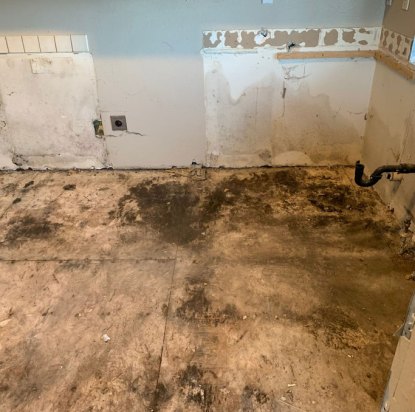
Within 24–72 hours, mold can begin growing. Weeks later, flooring warps, drywall softens, and odors appear — and suddenly the “cheap” job turns into a full remediation project.
3. Surface Repairs Hide Damage Instead of Fixing It
One of the most dangerous shortcuts cheap restoration companies take is cosmetic repair without mitigation.
Examples:
- Painting over water stains
- Replacing drywall without drying framing
- Installing new flooring over damp subfloors
- Cleaning mold without removing moisture
This doesn’t solve the problem — it seals it in.
Eventually, damage resurfaces, often worse than before.
And insurance? They usually won’t pay twice.
4. Cheap Restoration Can Destroy Your Insurance Claim
Insurance companies expect:
- Immediate mitigation
- Proper documentation
- Detailed moisture readings
- Proof of loss prevention
Cheap providers often:
- Don’t document thoroughly
- Don’t communicate with adjusters
- Don’t understand policy requirements
This can lead to:
- Claim delays
- Reduced payouts
- Partial or full denial
Suddenly, you’re paying out-of-pocket for damage that should’ve been covered.
5. Untrained Crews Create Safety and Health Risks
Restoration environments are hazardous.
There may be:
- Contaminated water
- Mold spores
- Electrical risks
- Structural instability
Certified restoration professionals follow strict safety protocols.
Cheap companies may:
- Skip containment
- Ignore PPE requirements
- Cross-contaminate clean areas
- Spread mold through HVAC systems
This puts occupants — and workers — at risk.
Health issues caused by improper restoration can linger long after repairs are “finished.”
6. Cheap Jobs Often Need to Be Redone
This is where costs explode.
A typical scenario:
- Cheap restoration does partial cleanup
- Damage reappears weeks or months later
- Mold or rot is discovered
- Walls, floors, and cabinets must be removed
- Full remediation is now required
Now you’re paying for:
- Demolition
- Remediation
- Reconstruction
- Temporary housing
- Lost time and stress
That “cheap” job just became the most expensive decision you made.
7. No Warranty, No Accountability
Many low-cost restoration providers:
- Don’t offer workmanship guarantees
- Disappear after payment
- Operate without long-term accountability
When problems return, there’s no one to call.
Reputable restoration companies stand behind their work — because they do it right the first time.
Real Cost Comparison: Cheap vs Professional Restoration
Cheap Restoration:
- Lower upfront cost
- Minimal assessment
- Faster “completion”
- High risk of repeat damage
Professional Restoration:
- Proper mitigation
- Insurance-aligned documentation
- Long-term protection
- Fewer surprises
- Lower total cost over time
The difference isn’t price — it’s value and outcome.
Why Restoration Is Not the Place to Cut Corners
Restoration work affects:
- Structural integrity
- Indoor air quality
- Health and safety
- Property value
- Insurance eligibility
This isn’t cosmetic work. It’s foundational.
Cutting corners in restoration is like ignoring a cracked foundation — everything built on top is compromised.
How to Spot a “Cheap Trap” Restoration Company
Red flags to watch for:
- Quotes given without inspection
- No moisture readings
- No certifications mentioned
- No insurance coordination
- Pressure to “start immediately” without explanation
- Prices far below industry average
If it sounds too good to be true — it usually is.
What Actually Makes a Restoration Company “Worth It”
A quality restoration provider offers:
- Certified technicians
- Advanced equipment
- Detailed inspections
- Clear communication
- Insurance support
- Long-term results
You’re not paying for labor alone — you’re paying for expertise, protection, and peace of mind.
Final Thoughts: Cheap Is Expensive in Disguise
When disaster hits, your home is vulnerable.
Choosing a cheap restoration service may feel like relief — until the damage comes back, insurance pushes back, and costs spiral out of control.
The most expensive restoration job is the one done twice.
Investing in professional, thorough restoration from the start protects:
- Your home
- Your health
- Your finances
- Your future
Because when it comes to restoration, quality isn’t a luxury — it’s a necessity.