When property damage strikes, most homeowners and business owners make the same mistake: they treat it like a normal repair job.
A leaking pipe? “I’ll call a contractor tomorrow.”
Smoke damage after a small fire? “We’ll clean it up this weekend.”
Water in the basement? “Let’s wait and see if it dries.”
That delay — sometimes just hours — can turn a manageable problem into a full-scale disaster.
This is where the difference between emergency restoration and regular repairs becomes critical. Understanding this difference can save you tens of thousands of dollars, protect your health, and dramatically reduce downtime for your home or business.
In this guide, we’ll break down exactly why timing matters, what emergency restoration really is, and how acting fast protects your property, your insurance claim, and your peace of mind.
What Is Emergency Restoration?
Emergency restoration is immediate, specialized response to property damage caused by unexpected events such as:
- Water damage (flooding, burst pipes, leaks)
- Fire and smoke damage
- Mold outbreaks
- Storm and weather damage
- Sewage backups
The goal is not cosmetic repair. The goal is damage mitigation stopping the problem from getting worse.
Emergency restoration focuses on:
- Rapid response (often within 1 hour)
- Preventing secondary damage
- Protecting structural integrity
- Reducing health risks
- Preserving what can still be saved
This is a time-sensitive service, not a scheduled renovation.
What Are Regular Repairs?
Regular repairs are planned, non-urgent improvements or fixes, such as:
- Replacing drywall
- Painting
- Flooring installation
- Cabinet replacement
- Remodeling or upgrades
These services assume the environment is stable and dry — no active moisture, contamination, or immediate threats.
Regular repairs are important, but they come after restoration, not before.
Trying to jump straight to repairs without emergency restoration is like painting over a leaking roof — it hides the problem but guarantees bigger damage later.
The Key Difference: Timing
The biggest difference between emergency restoration and regular repairs is time sensitivity.
Emergency Restoration
- Must begin immediately
- Prevents damage from spreading
- Focuses on moisture control, safety, and stabilization
Regular Repairs
- Can be scheduled days or weeks later
- Focuses on rebuilding and aesthetics
- Assumes damage has already been stopped
In restoration, every hour matters.
Why Timing Is Everything After Property Damage
1. Water Damage Escalates Fast
Water doesn’t just sit on the surface. It travels.
Within minutes, it seeps into:
- Drywall
- Insulation
- Flooring
- Subfloors
- Framing
- Electrical systems
Timeline of water damage:
- 0–2 hours: Water spreads and soaks materials
- 24 hours: Mold spores begin forming
- 48–72 hours: Structural weakening and odor development
- 1 week: Permanent damage and costly reconstruction required
Emergency restoration interrupts this timeline. Regular repairs do not.
2. Mold Doesn’t Wait for Appointments
Mold growth doesn’t care about your schedule.
Once moisture is present:
- Mold can grow invisibly behind walls
- Air quality begins to decline
- Allergens and toxins spread through HVAC systems
By the time mold becomes visible, the infestation is often well-established.
Emergency restoration teams use:
- Moisture detection tools
- Containment barriers
- HEPA filtration
- Antimicrobial treatments
Regular contractors are not trained or equipped for this level of response.
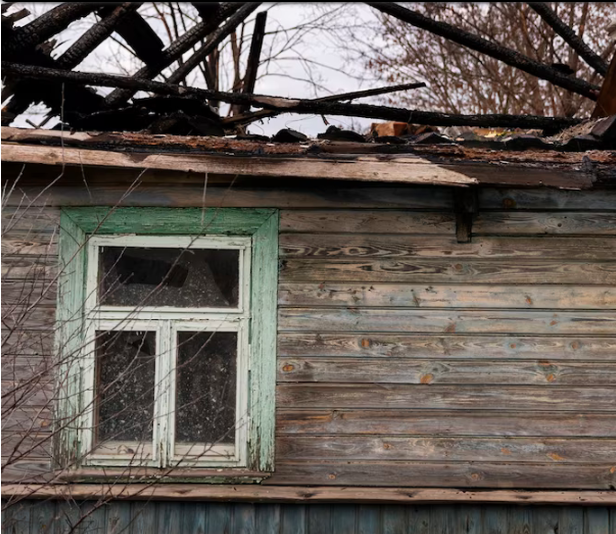
3. Fire and Smoke Damage Continues Long After the Flames Are Out
Many people believe fire damage ends once the fire is extinguished. In reality, smoke and soot continue to cause damage for weeks.
Smoke residue:
- Is acidic
- Permanently stains surfaces
- Corrodes metal
- Embeds odors into walls, fabrics, and HVAC systems
Emergency restoration addresses this immediately to prevent irreversible damage.
Waiting too long can make items unrestorable, forcing full replacement instead of cleaning.
Emergency Restoration vs. Repairs: Side-by-Side Comparison
| Factor | Emergency Restoration | Regular Repairs |
|---|---|---|
| Response Time | Immediate (24/7) | Scheduled |
| Primary Goal | Stop damage | Fix appearance |
| Focus | Safety & mitigation | Rebuilding |
| Equipment | Industrial-grade | Standard tools |
| Insurance Support | Yes | Limited |
| Mold Prevention | Yes | No |
Insurance Companies Care About Timing A Lot
One of the most overlooked aspects of property damage is how insurance companies evaluate response time.
Most insurance policies include clauses requiring homeowners to:
- Act promptly
- Prevent further damage
- Mitigate losses
Delays can lead to:
- Reduced payouts
- Partial claim denial
- Disputes over coverage
Emergency restoration services document:
- Moisture levels
- Damage progression
- Mitigation steps
- Photos and reports for adjusters
This documentation protects your claim.
Regular repair contractors typically do not provide this level of insurance-grade reporting.
The Cost Myth: “I’ll Save Money by Waiting”
Many people delay emergency restoration because they think it’s expensive.
In reality, waiting costs more.
Example Scenario:
- Immediate water extraction: $1,500–$3,000
- Delayed response + mold + rebuild: $15,000–$40,000+
Emergency restoration reduces:
- Material replacement
- Labor hours
- Mold remediation costs
- Reconstruction scope
It’s not an expense — it’s damage control.
Why Emergency Restoration Requires Specialists
Emergency restoration professionals are trained differently than general contractors.
They understand:
- Psychrometrics (how moisture moves)
- Structural drying science
- Containment and contamination protocols
- Health and safety compliance
- Insurance documentation standards
They use:
- Industrial air movers
- Dehumidifiers
- Moisture meters
- Thermal imaging cameras
- Negative air machines
This isn’t general repair work it’s environmental recovery.
The Emotional Cost of Delayed Action
Property damage is stressful. But delays make it worse.
Homeowners who wait often experience:
- Lingering odors
- Recurring mold
- Repeated repairs
- Insurance disputes
- Extended displacement
Emergency restoration restores control during chaos.
It provides clarity, direction, and a clear plan forward — something most people desperately need after a disaster.
When Regular Repairs Finally Make Sense
Regular repairs are absolutely necessary after emergency restoration is complete.
Once the property is:
- Dry
- Clean
- Sanitized
- Structurally stable
Then repairs such as:
- Drywall replacement
- Painting
- Flooring
- Cabinet installation
- Finish carpentry
can proceed safely and permanently.
Skipping restoration and jumping straight to repairs often means doing the same work twice.
Common Mistakes Property Owners Make
- Waiting “to see if it dries”
- Using household fans instead of professional drying
- Cleaning smoke damage with DIY products
- Painting over water-damaged drywall
- Calling a contractor instead of a restoration professional
- Failing to document damage for insurance
All of these mistakes lead to higher costs and longer recovery.
Emergency Restoration Is About Protection Not Panic
Calling emergency restoration doesn’t mean you’re overreacting.
It means you’re:
- Protecting your investment
- Preserving your health
- Securing your insurance claim
- Reducing long-term costs
The best time to act is immediately.
Why Restoration Heroes Focuses on Speed
At Restoration Heroes, emergency response isn’t a marketing phrase it’s a mission.
Fast response allows:
- Smaller damage footprint
- Faster recovery
- Lower claim costs
- Better outcomes for homeowners and businesses
Disasters don’t wait. Neither should recovery.
Final Thoughts: Timing Is the Difference Between Repair and Regret
Property damage doesn’t give second chances.
The choice is simple:
- Act fast and control the damage
- Or wait and pay the price later
Emergency restoration isn’t optional it’s essential.
If your property has suffered water, fire, mold, or storm damage, the most important decision you’ll make is how fast you respond.
Because when it comes to restoration, timing isn’t everything it’s the only thing.