Hidden Water Damage: 9 Signs Your Home Is Rotting Behind the Walls
Most homeowners think water damage is obvious.
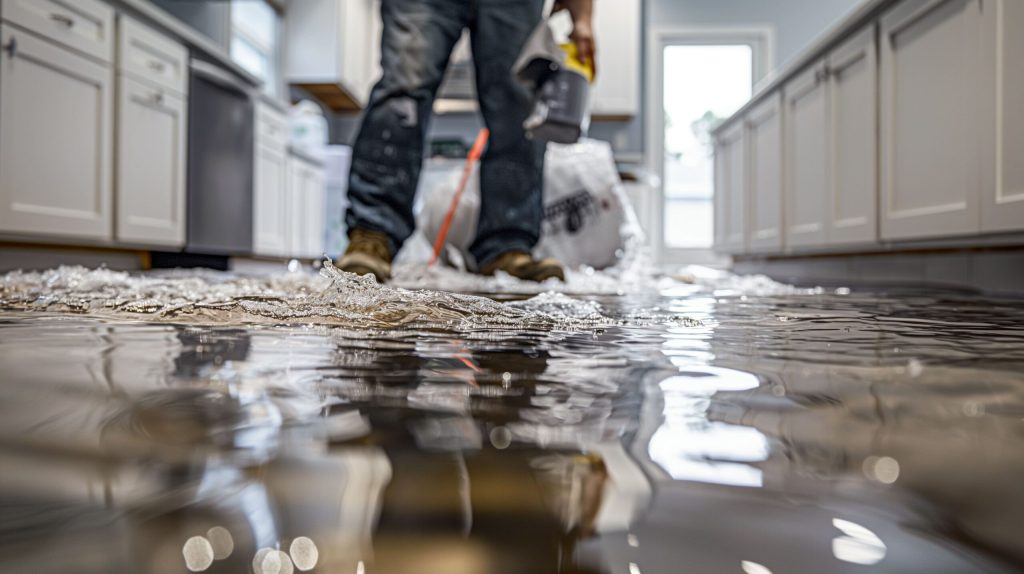
A flooded basement.
A dripping ceiling.
Standing water on the floor.
But the most dangerous water damage is the kind you can’t see.
Behind drywall, under flooring, inside insulation, and beneath cabinets, moisture can quietly destroy your home for weeks or even months before you notice anything is wrong. By the time visible signs appear, the damage is often severe, expensive, and potentially hazardous to your health.
In this guide, you’ll learn the 9 warning signs of hidden water damage, why it’s so destructive, and what to do before minor moisture turns into a full-scale restoration emergency.
Why Hidden Water Damage Is So Dangerous
Hidden water damage doesn’t announce itself. It spreads silently.
When moisture gets trapped behind walls or under floors, it creates the perfect conditions for:
- Mold growth
- Wood rot
- Structural weakening
- Electrical hazards
- Poor indoor air quality
Even worse, many homeowners unknowingly make the damage worse by delaying action or covering up symptoms instead of addressing the root cause.
Early detection is the difference between simple mitigation and massive reconstruction.
1. Persistent Musty or Damp Odors
If your home smells musty — especially in certain rooms — that odor is a warning sign.
Musty smells usually mean:
- Trapped moisture
- Mold or mildew growth
- Water-soaked building materials
Air fresheners won’t solve this problem. The smell often comes from behind walls or under flooring, where moisture has been sitting long enough to cause organic decay.
If the odor keeps returning, it’s time for a professional moisture inspection.
2. Discoloration or Stains on Walls and Ceilings
Yellow, brown, or dark stains are classic signs of water intrusion.
You may notice:
- Rings or blotches on ceilings
- Vertical streaks on walls
- Dark patches near baseboards
These stains often indicate long-term leaks, not just a one-time spill. Painting over them doesn’t fix the issue — it traps moisture and accelerates rot behind the surface.
Stains mean the damage has already progressed beyond the visible layer.
3. Bubbling, Peeling, or Cracking Paint
Paint reacts quickly to moisture.
When water builds up behind walls, paint may:
- Bubble
- Peel
- Crack
- Separate from the surface
This happens because moisture weakens drywall and plaster, causing the paint to lose adhesion.
If you notice paint failure without obvious humidity issues, hidden water damage is a strong possibility.
4. Warped or Buckling Floors
Floors are especially vulnerable to moisture.
Hidden water damage can cause:
- Hardwood floors to cup or warp
- Laminate to bubble
- Tile grout to loosen
- Vinyl to lift at the edges
These changes don’t happen overnight. They’re signs of ongoing moisture exposure, often from plumbing leaks or foundation seepage.
Ignoring warped flooring can lead to subfloor rot and structural instability.
5. Soft or Spongy Walls and Surfaces
Walls and cabinets should feel solid.
If you notice:
- Soft drywall
- Spongy baseboards
- Cabinets pulling away from walls
water has likely saturated the materials behind them.
This is one of the clearest indicators that moisture has been present long enough to compromise structural integrity.
At this stage, drying alone may not be enough — removal and replacement may be necessary.
6. Sudden or Unexplained Mold Growth
Mold doesn’t grow without moisture.
If mold appears:
- On walls with no visible leak
- In corners or behind furniture
- Around vents or baseboards
there’s likely hidden water damage feeding it.
Cleaning surface mold without addressing moisture only makes the problem worse. Mold will return — often stronger and more widespread.
Professional mold remediation always starts with moisture control.
7. Unexplained Increase in Water Bills
A spike in your water bill can signal a leak you can’t see.
Hidden plumbing leaks inside walls, ceilings, or floors can waste thousands of gallons of water before detection.
Even slow drips add up over time — both in utility costs and structural damage.
If your bill jumps without increased usage, investigate immediately.
8. Cracks in Walls or Foundation
While cracks can have multiple causes, water damage is often a contributing factor.
Moisture weakens:
- Framing
- Concrete
- Foundation materials
Over time, this can lead to shifting, cracking, and settling.
Cracks paired with musty smells, stains, or humidity issues should never be ignored.
9. Increased Humidity or Condensation Indoors
If your home feels unusually humid or sticky, hidden moisture may be the cause.
Watch for:
- Condensation on windows
- Damp air
- Difficulty cooling or heating rooms
Trapped moisture changes indoor air balance and puts extra strain on HVAC systems.
This environment accelerates mold growth and material breakdown.
Common Causes of Hidden Water Damage
Hidden water damage doesn’t come from just floods. Common sources include:
- Slow plumbing leaks
- Aging or corroded pipes
- Roof leaks
- Faulty appliances
- Poor drainage or grading
- Foundation seepage
- HVAC condensation
Many of these issues remain unnoticed until damage becomes extensive.
Why DIY Fixes Make Hidden Damage Worse
Homeowners often try to fix symptoms instead of causes.
Common mistakes include:
- Painting over stains
- Replacing flooring without drying
- Cleaning mold with household cleaners
- Using fans instead of professional drying equipment
These approaches trap moisture and allow damage to continue unseen.
Professional restoration uses moisture meters, thermal imaging, and industrial drying to eliminate water at its source.
The Health Risks of Ignoring Hidden Water Damage
Hidden water damage isn’t just about property loss.
It can lead to:
- Respiratory issues
- Allergies
- Asthma flare-ups
- Chronic headaches
- Fatigue and irritation
Mold spores and bacteria circulate through the air, affecting everyone in the home — especially children and seniors.
What To Do If You Suspect Hidden Water Damage
If you notice one or more of these signs, act quickly:
- Do not ignore it or wait “to see if it dries”
- Avoid covering up stains or odors
- Stop the water source if possible
- Contact a professional restoration company immediately
Early intervention can prevent mold, reduce repair costs, and protect your insurance claim.
How Professionals Detect Hidden Water Damage
Restoration experts use advanced tools such as:
- Moisture meters
- Thermal imaging cameras
- Hygrometers
- Industrial dehumidifiers
- Structural drying systems
This allows them to locate moisture without unnecessary demolition and create a precise mitigation plan.
The Cost of Waiting vs Acting Early
Early detection:
- Localized drying
- Minimal repairs
- Lower insurance impact
Delayed action:
- Mold remediation
- Structural replacement
- Long-term odors
- Higher costs
- Longer displacement
Hidden water damage only gets more expensive with time.
Final Thoughts: If You Can Smell It, Feel It, or See It It’s Already Advanced
Hidden water damage doesn’t stay hidden forever.
By the time most homeowners notice the signs, damage has already spread behind walls and under floors.
Trust your instincts. If something feels off in your home, it probably is.
Acting early protects:
- Your property
- Your health
- Your finances
- Your peace of mind
Because when water damage hides, it destroys quietly — until it can’t anymore.